This boiler repair was in a home in Finsbury Park (N4). Our Gas Safe engineer supplied and fitted a new pump, new left and right PCB hinges and a new filling loop. He then refilled and pressurised the system, carried out all the checks and tests, and left everything working correctly.
What we found
The boiler needed three parts replacing:
- The pump, which pushes hot water around the radiators.
- The PCB hinges on both sides. The PCB is the boiler’s control board. The hinges hold its housing in place so it can be swung down for access and then closed up again.
- The filling loop, the link to the mains water that is used to top up the system pressure.
What we did
Our engineer took out the old parts and fitted the new pump, both PCB hinges and the new filling loop.
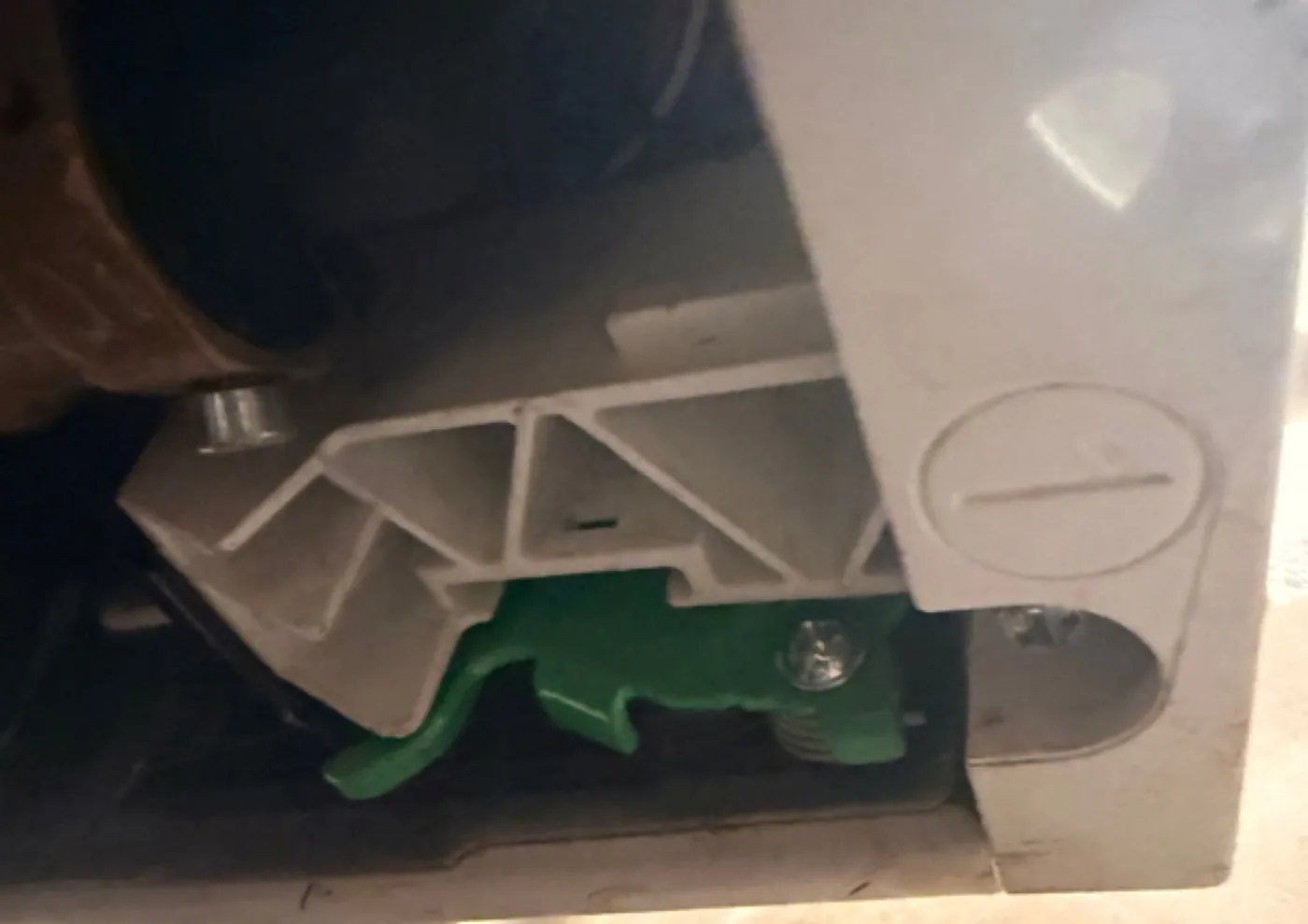
Once the parts were in, he refilled the heating system and brought it back up to pressure. He then ran all the necessary checks and tests on the boiler. Everything was working correctly when he left.
What a boiler pump does
In a combi or system boiler, the pump is what moves the hot water from the boiler out to the radiators and back again. If it stops or gets weak, the boiler can still fire up, but the heat doesn’t get to the rooms.
Common signs of a pump problem include:
- Radiators staying cold or only warming up slowly, even with the heating on.
- A humming, grinding or rattling noise from the boiler.
- The boiler getting hot and then locking out or showing a fault code.
Other faults can cause the same signs, so it’s worth having an engineer test the system before buying any parts.
What the filling loop is for
The filling loop is a short pipe, often a silver braided hose, with one or two small taps. It joins the heating system to the cold mains so you can top up the pressure.
Most sealed systems sit at around 1 to 1.5 bar on the gauge when the heating is cold. Always check your boiler manual for the right figure. If you find yourself topping up the pressure often, there is a reason it keeps dropping. That could be a small leak, a faulty pressure relief valve or an expansion vessel problem. A filling loop that won’t shut off fully can cause the opposite problem and push the pressure too high.
Things you can check yourself
- Look at the pressure gauge on the front of the boiler and note the number.
- Write down any fault code shown on the display.
- Check that the heating is calling for heat (thermostat turned up, timer on).
Don’t take the boiler casing off. Any work inside a gas boiler must be done by a Gas Safe registered engineer.
Boiler repairs in Finsbury Park and north London
We repair and service boilers across Finsbury Park, Islington and the rest of London and Essex. See our boiler servicing and repairs page for more.
You may also find these useful:
Our office is open Monday to Friday, 7am to 5pm. Call 020 8227 0035 or ask for a quote.